 English
  Chinese
 Español
 Français
 Русский язык
The alarm sounds. You walk over to the machine, and there it is—a crumpled mess of cardboard wedged halfway through the folding section. Another production stoppage. Another batch of ruined boxes. Another round of frustration for your team.
Frequent jams and misfeeds are among the most common—and most avoidable—problems on any box gluing line. Your Folder-Gluer For Cardboard Box is capable of running at high speeds and delivering consistent results, but when jams become routine, they eat into your productivity and your patience.
This article walks you through a logical framework for diagnosing the origin of your jams. We'll cover the critical distinction between a misfeed and a real jam, feeder-related issues, board quality problems, internal "hotspots," and how to create a jam-log that turns guesswork into data-driven fixes. By the end, you'll have a clear path from reactive firefighting to proactive prevention.
Is It a "Jam" or a "Misfeed"? – Why It Matters
Not every stoppage is the same. The first step in fixing the problem is knowing what kind of problem you're dealing with.
The Misfeed – Blank Never Enters Correctly
A misfeed happens when the blank never enters the machine correctly in the first place. The blank might not feed at all, two blanks might feed together, or the blank might feed at an angle. The result is the same: the machine stops because it detects something wrong at the entry point.
The Real Jam – Blank Gets Stuck Inside
A real jam happens when the blank enters the machine but gets stuck somewhere along the way—in the pre-fold section, at the glue applicator, or at the entry to the squaring section. The blank is inside the machine, but it's not moving through properly.
This distinction matters because it points to different problem areas. A misfeed is almost always a feeder problem. A real jam is almost always a problem further down the line. Diagnose the wrong one, and you'll waste time adjusting the wrong part of the machine.
Diagnosing Feeder-Related Misfeeds
Feeder problems are the most common cause of misfeeds. Here are the scenarios you're most likely to encounter.
Double-Blanks Feed Together
Two blanks feed at once, and the machine can't handle both. The blank that's being fed is either picking up the next one due to static electricity, or the feeder is set too aggressively.
Check this: Reduce the feeder pressure slightly. Check the blank separation—if the blanks are sticking together, consider adding a talc powder or anti-static device.
No Blank Feeds, or Feed Is Intermittent
The feeder isn't picking up blanks consistently. Sometimes it feeds; sometimes it doesn't. The blanks might be too lightweight for the feeder setting, or the feed belts might be worn.
Check this: Increase the feeder pressure slightly. Inspect the feed belts for wear and replace them if they're smooth. Clean the belts—dust and debris reduce friction.
Blank Feeds Skewed
The blank enters the machine at an angle, which causes it to collide with the side guides or fold rails.
Check this: Check the side guides—they should be snug but not tight. Verify that the feeder is square to the machine. A skewed feeder will always produce skewed blanks. Regular cleaning of the feed belts, electric eyes, and reflectors is also essential to prevent misfeeds.
The Role of Board Quality in Frequent Jams
Sometimes the problem isn't the machine—it's the board you're running.
The "Curtain" Effect of Warped Board
A board with a strong upward curl acts like a curtain when it enters the machine. Instead of lying flat and feeding smoothly, it catches on the fold rails or other internal components. The result is a jam that looks like a machine problem but is actually a material problem.
Check this: Inspect the board before you run it. If you see significant warpage, consider running it through a de-curling station first, or adjust the feeder pressure to compensate for the curl.
Chipped Corners and Ragged Edges
Boards with chipped corners or ragged edges create debris as they move through the machine. That debris builds up on the fold rails, in the glue applicator, and on the conveyor belts. Over time, the buildup causes jams.
Check this: Inspect the board quality before running. If you're seeing a lot of chipped corners, talk to your board supplier. The machine must be kept clean, and waste material must be cleaned regularly to achieve performance.
Internal Jam "Hotspots" on the Folder Gluer
Even with perfect feeding and good board quality, jams can still happen inside the machine. Here are the three most common hotspots.
The Transfer Point from Feeder to Pre-Fold
This is where the blank transitions from the feeder section to the folding section. If the timing is off, the blank can hit the folding rails instead of sliding between them. If you're seeing jams at this point, check the timing between the feeder and the folding section.
The Glue Applicator Area
Glue buildup is a classic cause of jams. When glue accumulates on the applicator or on the fold rails, it creates a sticky surface that grabs the board instead of letting it slide through. Clean the glue applicator regularly. After completing a task, apply a small amount of grease or silicone resin on the nozzle, and clean the nozzle with a needle or compressed air if necessary. The lower paste cylinder also needs frequent cleaning.
The Entry to the Squaring Section
This is a classic spot for speed mismatches. If the squaring section is running at a slightly different speed than the folding section, the blank will either bunch up or stretch as it enters. Check the speed synchronization between sections. The machine's adjustable conveyor belt supports quick adjustment to enhance productivity.
Creating a "Jam-Log" to Spot Recurring Patterns
Guessing doesn't fix jams. Data does.
What to Track
Create a simple log sheet with these columns: Time, Location (feeder, pre-fold, glue applicator, squaring section), Board Type, and Operator Notes. Every time a jam occurs, record the details.
Why It Works
Over time, patterns emerge. You might notice that jams always happen at the glue applicator when you're running a particular board grade. Or that misfeeds always happen at the start of a shift when the machine is cold. With a jam-log, you can address the root cause instead of just clearing the jam and moving on.
How to Use the Data
Once you've identified a pattern, take action. If jams always happen at the transfer point, adjust the timing. If they always happen with warped board, address the board quality. If they always happen at the glue applicator, increase the cleaning frequency. The goal is to turn reactive firefighting into proactive prevention.
Questions Operators Ask
Can running my box glue machine too slow cause jams?
Yes—and it's more common than you think. Running too slow can cause blanks to hang up on the folding rails instead of sliding through smoothly. The machine is designed to run at a certain speed range, and running below that range can actually increase jams. Find the "sweet spot" speed for your board type and stick to it. Rolam's GS SERIES folder-gluers are capable of highly productive operation up to 400 m/min, but the right speed depends on your specific material.
How often should we clean the feed belts to prevent misfeeds?
At least once per shift. Dust, glue residue, and paper fibers accumulate on the belts and reduce friction. The electric eye and reflector on the machine must also be cleaned regularly with a smooth cloth because a dirty electric eye will cause the machine to stop. A quick clean at the start of each shift takes five minutes and can prevent hours of downtime.
What's the emergency procedure for clearing a severe jam safely?
First, stop the machine immediately. Don't try to pull the jammed board out while the machine is running. Open the safety guards to access the jam. Carefully remove the jammed board—if it's wedged tightly, cut it into pieces with a utility knife rather than pulling forcefully and damaging the machine. Check for any debris or glue buildup that might have caused the jam. After clearing, run a few test blanks at slow speed to confirm the machine is clear before resuming full production.
From Reactive to Proactive
The best way to fix jams is to prevent them from happening in the first place.
Daily Jam-Point Inspection
Make a habit of inspecting the common jam points at the start of each shift. Check the feeder for wear and debris. Check the transfer point for alignment. Check the glue applicator for buildup. Check the squaring section for speed synchronization. Five minutes of inspection can save hours of downtime.
Training Your Team
Make sure every operator knows how to diagnose and clear jams safely. Cross-train your team so that when the primary operator isn't available, someone else can step in. Rolam RAGAOKE provides one-on-one technical guidance and detailed video tutorials to support operator training.
Building a Culture of Prevention
The goal is to move from reactive firefighting to proactive prevention. With a jam-log, a daily inspection routine, and a well-trained team, you can reduce jams to the point where they're rare exceptions rather than daily frustrations.
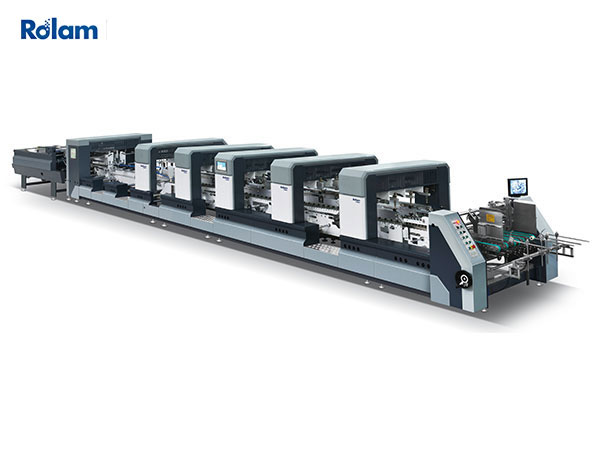
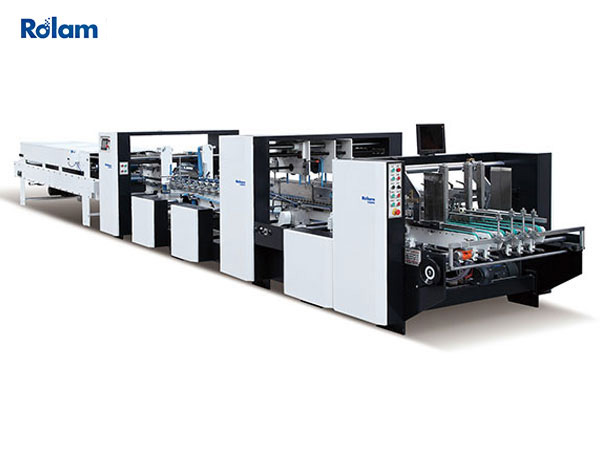
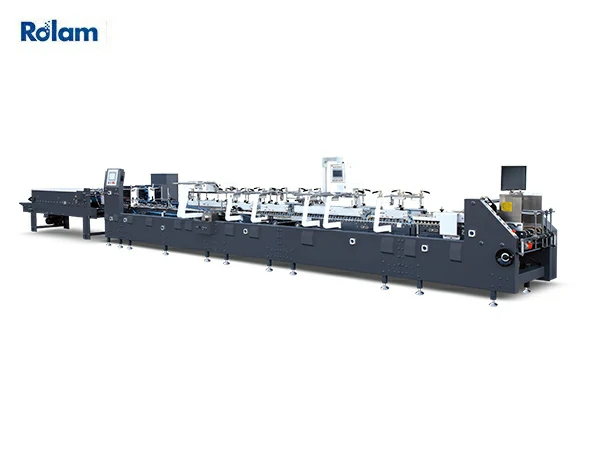
Rolam RAGAOKE has been designing and manufacturing folder gluers since 2006, with a wealth of experience in the field. Their GS SERIES Automatic High Speed 4 and 6 Corner Folder Gluer is designed for highly productive operation up to 400 m/min, handling cardboard from 210-800gsm and E/N/F flute materials. The machine features a 3P 380V 50HZ power supply with a total power of 19.5kw across all models.
The GS SERIES is available in three models—650, 800, and 1100—with blank widths to match each specification. The folding method supports fold 1 and fold 3 at 180° and 135°, and fold 2 and fold 4 at 180°. The machine accommodates a maximum thickness of folded box up to 12mm and can produce straight line boxes, crash lock bottom boxes, 4-corner boxes, and 6-corner boxes in both standard and climbing configurations.
Rolam RAGAOKE's commitment to quality starts with raw materials—all steel meets ISO 9001 and ISO 14001 certification standards. The assembly team has more than a decade of experience, having successfully installed hundreds of high-precision machines. Fully automated machining centers ensure consistent quality and faster production speeds. Every machine undergoes comprehensive functionality, durability, and safety tests.
After-sales support includes a one-year warranty, one-on-one technical guidance, detailed video tutorials, remote technical support, and 24/7 customer service. For operators dealing with frequent jams, having responsive technical support makes a real difference.
Jams and misfeeds don't have to be a daily battle. With a systematic approach to diagnosis, a jam-log to track patterns, and a proactive maintenance routine, you can keep your folder-gluer running smoothly shift after shift. Start by understanding the difference between a misfeed and a real jam, work through the feeder checks, inspect your board quality, and clean the common hotspots. The result is less downtime, less waste, and a more productive line.
Ready to stop jams on your folder-gluer line? Reach out to Rolam RAGAOKE's technical team—they can provide troubleshooting support, spare parts, and operator training to keep your production running smoothly.