 English
  Chinese
 Español
 Français
 Русский язык
You've seen it happen. A newly purchased folder gluer arrives on the production floor, but the operators don't fully understand how each section works together. Boxes come out misshapen. Glue lines are inconsistent. The machine's potential is never fully realized.
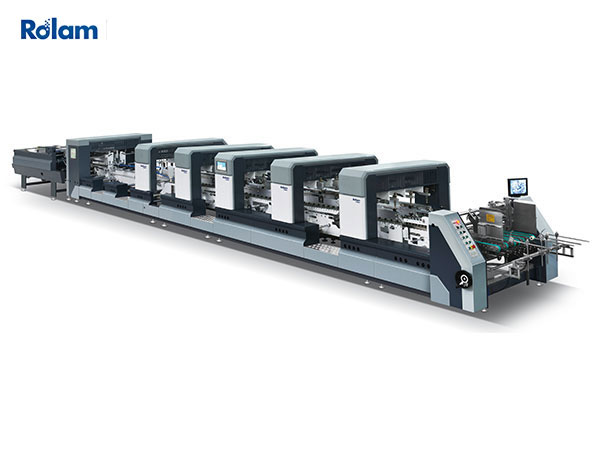
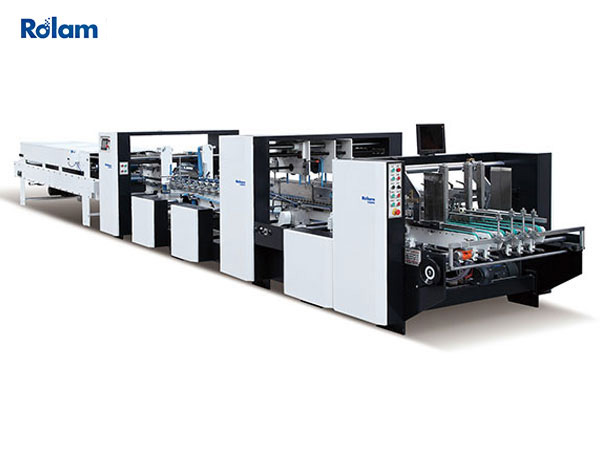
An automatic folder-gluer for cardboard box is like an athlete's body — every part must work in harmony for peak performance. The feeder is the heartbeat, the folding section is the limbs, and the counter-ejector is the finish line. When each component functions correctly, the machine transforms flat cardboard blanks into perfectly folded, securely glued boxes at high speed. This guide breaks down every major section — from feeder to counter-ejector — explaining what each part does and why it matters for your production line.
The feeder — heartbeat of the production line
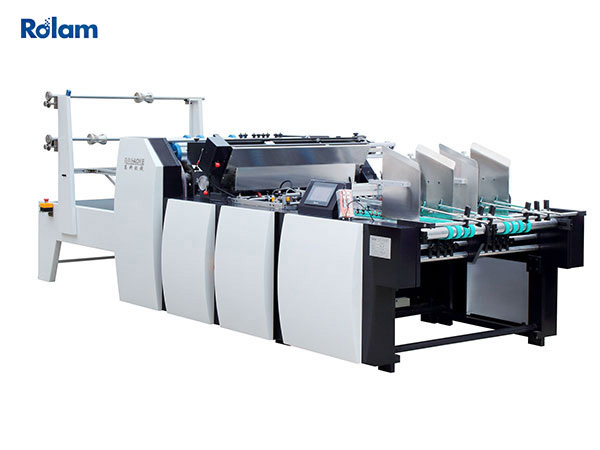
The feeder is where the entire process begins. Its job is simple but critical: separate individual cardboard blanks from a stack and feed them into the machine at the correct speed and alignment. If the feeder fails, nothing else matters.
Friction feed vs. suction-assisted feed
Two primary feeding technologies dominate the market. Friction feed uses rubber belts and pressure to pull the bottom sheet from the stack. It's reliable for most corrugated board types and is the more common and cost-effective solution. Suction-assisted feed uses vacuum belts to pull sheets from the bottom of the stack, providing more consistent separation for lighter or warped boards. The choice between the two depends on your typical board types and thicknesses.
Side and rear stops — the key to square feeding
The feeder's side and rear stops ensure that each sheet enters the machine squarely. Misaligned sheets create misaligned folds, leading to rejected boxes. Adjustable stops allow operators to accommodate different sheet sizes without sacrificing accuracy.
What to watch for
Common feeder issues include double-feeding (two sheets entering at once), mis-feeding (sheets entering crooked), and inconsistent feed timing. Regular cleaning of suction cups and belts, along with proper adjustment of side guides, prevents most feeder problems.
The pre-folding and gluing station — setting up the bond
Before the box is folded, two critical operations happen: pre-folding (or "pre-breaking") and glue application.
Why pre-break matters
Pre-folding creates a defined crease line along the box's fold points. This reduces board stress during the main folding operation, preventing cracking and ensuring clean, consistent folds. Without pre-folding, heavier boards may spring back or crack at the fold lines. The machine performs a pre-break at 90 degrees before the main folding section completes the fold.
Dissecting the glue system
The glue system applies adhesive to the designated flaps. Key components include:
-
Glue tank: Stores the adhesive, often with temperature control to maintain optimal viscosity.
-
Pump: Circulates glue from the tank to the applicator.
-
Glue wheel/applicator: Transfers glue to the board in a controlled pattern.
-
Scraper/blade: Removes excess glue from the wheel for consistent application.
-
Application valve: Controls glue flow and pattern.
Glue pattern and quantity
The right amount of glue is critical. Too little, and the bond fails; too much, and glue squeezes out, creating a messy finish. Modern folder gluers use advanced sensors and control systems to ensure precise glue application.
The folding section — where the box takes shape
The folding section is where the cardboard blank becomes a three-dimensional box. This is achieved through the coordinated action of folding belts and adjustable rails.
The dance of the folding belts
Upper and lower folding belts work together to fold the box along its crease lines. The belts grip the board and guide it through the folding process at high speed. Different belt configurations handle different box styles and sizes.
Adjustable folding rails — the "mold-less" advantage
Unlike traditional systems that require expensive molds for each box size, modern folder gluers use adjustable folding rails. Operators can quickly reposition the rails to accommodate different box widths and styles. This dramatically reduces changeover time and tooling costs.
Speed and precision
The folding section must operate at line speed — up to 260–400 meters per minute on high-end machines — while maintaining precise fold alignment. Advanced servo drives and motion controllers ensure consistent folding even at maximum speed.
The squaring (compression) section — ensuring a square box
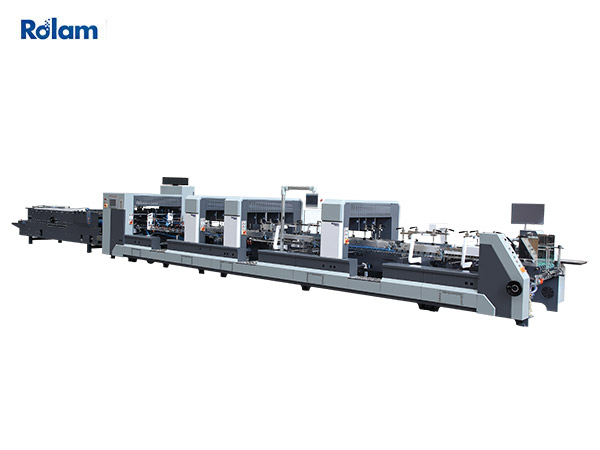
After folding and gluing, the box enters the squaring section. This section ensures that the box is perfectly square and that the glue has time to set.
Squaring rollers and beams
Squaring rollers and beams apply pressure to the sides of the box, forcing the glued flaps together at the correct angle. This ensures that the finished box is square and true, not skewed or distorted.
The compression belt — the "setting" station
The compression belt holds the box under pressure as it travels through the section. The length of the compression section determines how much time the glue has to set before the box is released. At higher speeds, a longer compression section is required to achieve the same bond strength. If the compression section is too short, boxes may spring open or have weak bonds.
The counter-ejector — the final gate
The counter-ejector is the last station on the folder gluer. It counts finished boxes, separates them into batches, and ejects them for packing.
Batch counting and flipping
The counter-ejector counts boxes as they exit the compression section. Once a preset count is reached (e.g., 10, 20, or 50 boxes), it flips the batch over or ejects it onto a conveyor. This makes it easy for operators to pack boxes into bundles without manual counting.
Reject gate function
Modern counter-ejectors include a reject gate that automatically removes defective boxes from the production stream. If a box is identified as defective by the machine's vision system or sensors, the reject gate diverts it to a separate bin, preventing it from reaching the customer.
Questions about folder gluer components
Q: Which component most significantly impacts maximum machine speed?
A: The compression section is often the speed limiter. Glue needs time to set before the box is released. If the compression section is too short for the line speed, boxes will come out with weak bonds. High-speed machines have longer compression sections or use faster-setting adhesives to overcome this limitation.
Q: What are the signs of wear in the folding belt drive mechanism?
A: Look for uneven folding, creased or damaged boxes, and unusual noise from the folding section. Worn belts may slip, causing inconsistent folding. Regularly inspect belts for cracks, glazing, or excessive wear. Replace belts as a set to maintain consistent tension across the width.
Q: How does modular design help in replacing parts like the squaring section?
A: Modular design allows individual sections to be removed and replaced without disassembling the entire machine. This reduces downtime during repairs and simplifies maintenance. For example, if the squaring section needs service, it can be rolled out and replaced with a spare section, allowing production to continue while the original section is repaired.
From components to complete solution
Understanding the function of each component helps operators troubleshoot problems, maintenance teams plan service, and buyers make informed purchasing decisions. An automatic folder gluer isn't just a machine — it's a coordinated system of interdependent sections. When one section fails, the entire line suffers.
But when all sections work in harmony, the result is a machine that can produce thousands of perfectly formed boxes per hour, reducing labor costs, minimizing waste, and enabling businesses to meet tight deadlines and expand their capacity.
Before your next production run, inspect each section of your folder gluer. Check the feeder for alignment, verify glue application consistency, test folding accuracy, confirm squaring pressure, and ensure the counter-ejector is counting correctly. A few minutes of preventive checks saves hours of troubleshooting and thousands of rejected boxes.
Need help understanding your folder gluer's components or training your team? Contact Rolam for technical support or product information. Share your machine model, typical box types, and production challenges — their team can provide component maintenance guides and operational training resources.