 English
  Chinese
 Español
 Français
 Русский язык
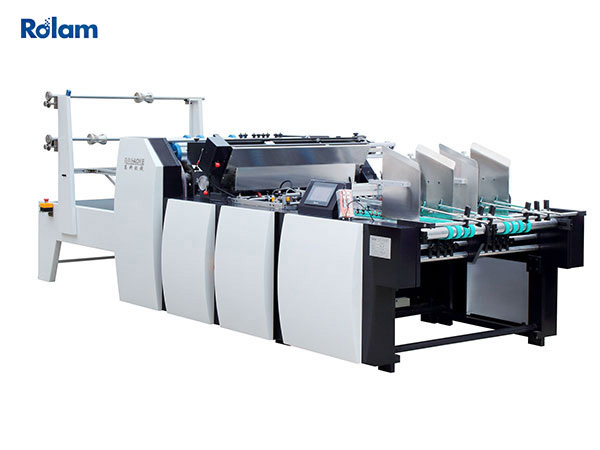
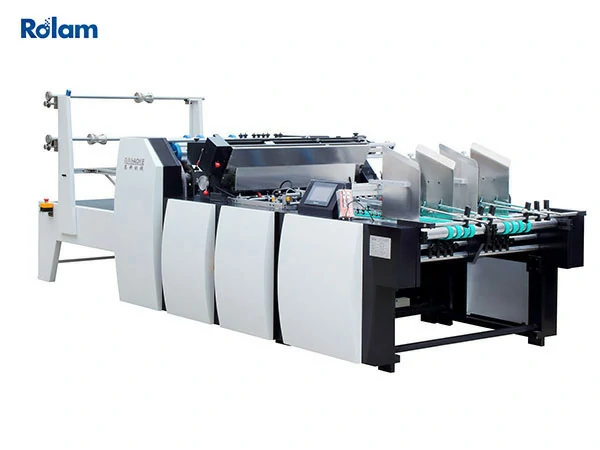
You're running a packaging operation that needs to apply film windows to boxes—wine boxes, gift boxes, napkin boxes, cosmetic boxes. The process has always been multi-step: apply glue, cut film, patch the window, collect the finished product. A window patching machine that handles all these steps in a single integrated workflow changes that equation entirely. The GK-1080T automatic high-speed double-channel window patching machine from GK was engineered with workflow integration in mind: servo-controlled paper feeding, adjustable gluing, precision film cutting, and automatic collection—all in one pass. This article walks through what makes this machine a practical choice for packaging professionals—from the double-channel design that maximizes throughput to the glue-saving system that reduces material costs.
Questions Packaging Managers Ask About Window Patching Machines
Two Practical Concerns—Answered Up Front
Q: What materials can this window patching machine handle?
A: The GK-1080T handles cardboard from 200-500g/m² and corrugated paper up to 7mm thick. The maximum paper size is 1080×650mm and the minimum is 140×140mm. Film thickness ranges from 0.05mm to 0.20mm.
Q: How fast can the machine run in real production?
A: The machine delivers a maximum working speed of 8,000-10,000 sheets per hour. At that speed, you're processing thousands of boxes per hour—enough to meet high-volume packaging demands for wine, gift, and cosmetic boxes.
From Paper Feeding to Film Collection — One Integrated Workflow
The GK-1080T combines five key operations into a single, continuous workflow: paper feeding, conveying, gluing, film cutting, and paper collection. This integration eliminates the need for separate machines for each step—and the handling that goes with them.
What Integration Means for Your Production Floor
Instead of feeding paper to one machine, moving it to a gluing station, then to a film applicator, and finally to a collection area, the GK-1080T handles everything in one pass. Paper goes in one end; finished boxes with film windows come out the other. This reduces floor space requirements, eliminates transfer-related quality issues, and cuts the labor needed to monitor multiple machines.
The Double-Channel Advantage
The machine features a double-channel design, meaning two lanes operate simultaneously. This isn't a single-lane machine that processes one sheet at a time—it's a dual-lane system that effectively doubles your throughput without doubling floor space or operator requirements.
Servo-Controlled Feeding — Precision That Starts at the Beginning
The paper feeding section is controlled by a servo motor, with the paper pile making intermittent movement during the feeding process. This isn't a mechanical system that relies on cams and linkages—it's electronically controlled precision.
Why Servo Control Matters for Consistent Feeding
Servo control ensures precise paper positioning with each cycle. The belts operate with long life and process paper products to the conveying parts steadily and orderly. Consistent feeding means consistent registration—and consistent registration means fewer rejects at the film application stage.
Perfect for Cardboard and Corrugated
The feeding section is perfect for both cardboard and corrugated. This versatility means you can run different material types on the same machine without reconfiguring the feeding system.
Gluing That Saves Material — Without Sacrificing Quality
The gluing section uses an adjustable parts gluing structure that is convenient for adjustment according to paper requirements and gluing position. This isn't a fixed system that wastes glue—it's designed to minimize consumption.
What the Glue-Saving System Actually Delivers
The adjustable structure saves gluing quantity by applying adhesive only where it's needed. The gluing parts are easy to pull out for convenient washing. When the machine stops, the gluing roller stops gluing and the conveying parts drop automatically, so glue doesn't print on the conveyor belts. This reduces waste, simplifies cleanup, and keeps the machine running cleaner.
No Glue on the Conveyor Belts
One of the most common problems in window patching is glue transferring to the conveyor belts, creating a sticky mess that requires frequent cleaning. The GK-1080T's design prevents this—when the machine stops, the conveying parts drop automatically, so the glue doesn't transfer.
Precision Film Cutting — Clean Cuts, Every Time
The film cutting section uses an upper roller with two blades—one upper blade and one lower blade—to finish the cutting of the film. The below roller is a suction roller where the film is patched.
Two Blades for Clean, Consistent Cuts
The dual-blade design ensures clean, consistent film cuts across the full production run. The upper and lower blades work together to cut film cleanly at the machine's 8,000-10,000 sheets/hour speed, so you're not dealing with ragged film edges or incomplete cuts.
Suction Roller for Precise Film Placement
The suction roller holds the film in place during application, ensuring that each patch lands exactly where it should. This precision is critical for boxes where the window position must be consistent across every unit.
Specifications That Define the Machine
| Parameter | GK-1080T Specification |
|---|---|
| Max. Paper Size | 1080×650mm |
| Min. Paper Size | 140×140mm |
| Max. Film Size | 410×300mm |
| Min. Film Size | 80×60mm |
| Film Thickness | 0.05-0.20mm |
| Max. Working Speed | 8,000-10,000s/h |
| Cardboard | 200-500g/m² |
| Corrugated Paper | ≤7mm |
| Total Power | 9kW |
| Total Weight | 3,000kg |
| Overall Dimensions | 5,000×1,960×1,750mm |
Applications Across the Packaging Industry
The GK-1080T serves multiple packaging applications where film window application is required:
Wine and Alcohol Boxes
Wine boxes often feature windows to display the bottle or label. The GK-1080T handles the paper sizes and film thicknesses required for wine packaging, delivering consistent window placement across large production runs.
Gift and Cosmetic Boxes
Gift boxes and cosmetic boxes rely on windows to showcase the product inside. The machine's precision film cutting and placement ensure that each window is clean and accurately positioned.
Napkin and Tissue Boxes
Napkin boxes and tissue boxes often include windows for dispensing. The machine handles the lighter cardboard grades (200-500g/m²) used in these applications, with the double-channel design providing the throughput needed for high-volume production.
Corrugated Packaging
With the ability to handle corrugated paper up to 7mm thick, the GK-1080T is also suitable for corrugated packaging applications where heavier board is required.
Straight Answers on Window Patching Machines
Q: What is the maximum paper size the GK-1080T can handle?
A: The machine handles paper up to 1080×650mm and as small as 140×140mm.
Q: What films can the machine process?
A: The machine handles film thickness from 0.05mm to 0.20mm, with maximum film size of 410×300mm and minimum of 80×60mm.
Q: What is the maximum working speed?
A: The machine runs at 8,000-10,000 sheets per hour.
Q: What cardboard grades can the machine process?
A: The machine handles cardboard from 200-500g/m² and corrugated paper up to 7mm.
Q: How does the machine prevent glue from spreading to the conveyor belts?
A: When the machine stops, the conveying parts drop automatically, so the glue doesn't print on the conveyor belts.
Q: What certifications does the machine carry?
A: The machine has passed the ISO9001 Quality System Certificate and conforms to the European CE safety standard.
Request a Quote for Your Window Patching Line
A window patching machine that combines servo-controlled feeding, adjustable gluing, precision film cutting, and automatic collection into a single workflow is the foundation of any efficient packaging operation. The GK-1080T automatic high-speed double-channel window patching machine delivers 8,000-10,000 sheets per hour, handles cardboard from 200-500g/m² and corrugated up to 7mm, features a glue-saving system that reduces material costs, and is ISO9001 certified and CE compliant.
Whether you're producing wine boxes, gift boxes, cosmetic boxes, or corrugated packaging, the GK-1080T offers the speed and reliability that packaging professionals need. With its double-channel design and integrated workflow, it's built for high-volume production without the complexity of multiple machines.
Contact the manufacturer for a quote or configuration consultation → their team can help you select the right options for your specific paper sizes, film requirements, and production targets. Get a window patching machine that streamlines your production from start to finish.